
By NSB Desk
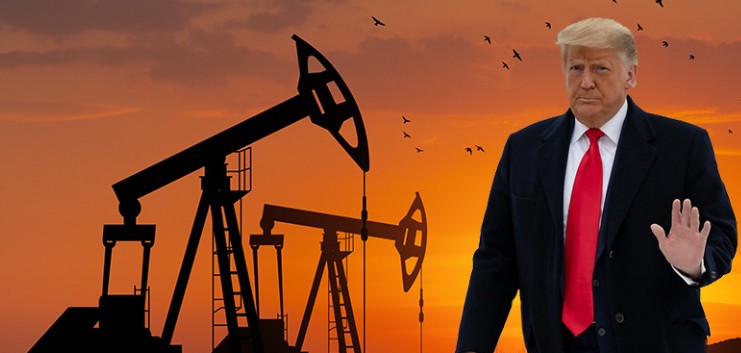
Amid ongoing efforts to end the Russia-Ukraine war, U.S. President Donald Trump imposed fresh sanctions on Moscow and warned of heavy tariffs on countries purchasing discounted Russian oil. An additional 25% tariff on India over its Russian crude purchases was also announced but later withdrawn. While India has reduced its imports of Russian oil in recent months, China has moved in the opposite direction, ramping up purchases to record levels.
Tariff Threat on India, Later Rolled Back
The U.S. administration warned that countries buying discounted Russian oil could face additional duties. India was specifically targeted with a proposed 25% extra tariff, though the decision was later reversed. In recent months, India has scaled back its Russian crude imports, a move widely seen as a response to mounting Western pressure and shifting trade dynamics.
China Increases Buying Despite Warnings
Despite U.S. warnings, China imported a record volume of Russian crude in February. This is believed to be the third consecutive month of significant growth in China’s Russian oil imports. Independent refiners, in particular, have been aggressively purchasing discounted Russian crude.
According to preliminary estimates by Vortexa Analytics, Russia shipped about 2.07 million barrels per day (bpd) of crude to China in February, up sharply from approximately 1.7 million bpd in January. Data from Kpler shows a similar trend, with February imports at around 2.083 million bpd compared to 1.718 million bpd in January.
India’s Imports Decline
In contrast, Kpler data indicates that India’s Russian crude imports fell to roughly 1.159 million bpd in February. Since November, China has emerged as the largest buyer of Russian crude oil. Facing increasing diplomatic and trade pressures from Western nations, India recorded its first significant reduction in Russian oil purchases in two years last November.
Strategic Energy Realignment
Overall, while the United States seeks to economically isolate Russia, China is capitalizing on discounted oil to strengthen its energy security and strategic reserves. India, meanwhile, appears to be balancing its energy needs with geopolitical considerations, navigating a complex global landscape.