

- Nitin Gadkari says E20 fuel may cause a marginal drop in mileage because ethanol has lower calorific value than petrol.
- The minister dismisses claims of vehicle damage as a “false narrative,” saying E20 was introduced only after extensive testing.
- India is pushing flex-fuel technology to reduce crude oil imports and offer consumers multiple fuel choices.
By NSB.News
Union Minister for Road Transport and Highways Nitin Gadkari has clarified that while vehicles running on E20 fuel may experience a marginal reduction in mileage, there is no evidence that the fuel causes engine damage. Addressing concerns surrounding the nationwide rollout of the ethanol-blended fuel, Gadkari said that the lower calorific value of ethanol compared to petrol can lead to a small decline in fuel efficiency, but the impact is generally insignificant under normal driving conditions.
In an exclusive interview with The Indian Express, Gadkari said the debate surrounding E20 has been fueled by misinformation, particularly on social media, where claims of vehicle damage have gained traction. He described such reports as an “overblown” and “concerted false narrative.”
Why Mileage Can Be Slightly Lower
According to Gadkari, ethanol naturally contains less energy than petrol. As a result, increasing the ethanol content in fuel can slightly reduce mileage. However, he stressed that fuel efficiency depends on several factors beyond fuel composition
.http://India Plans Emergency LNG Reserves at Import Terminals After Hormuz Supply Disruption
Driving conditions, traffic congestion, gear usage, acceleration, braking habits, and road quality all have a significant influence on mileage. In cities such as Delhi and Mumbai, where stop-and-go traffic forces drivers to remain in lower gears, the difference caused by E20 fuel is often negligible.
“If you are driving continuously at 100 kilometres per hour on a highway, you may notice some difference. But in urban driving conditions, mileage is affected by many other factors,” Gadkari explained.
No Evidence of Engine Damage
The minister strongly rejected allegations that E20 fuel damages vehicle engines.
He said the Automotive Research Association of India (ARAI) and vehicle manufacturers conducted multiple tests before the nationwide introduction of E20 fuel last year. The fuel was approved only after receiving technical clearances from these agencies.
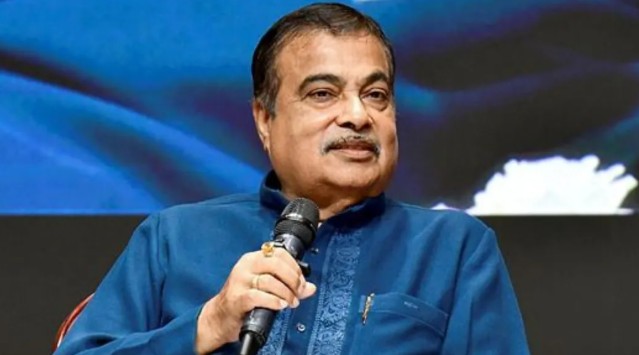
“Show me a single car that has suffered damage because of E20 fuel,” Gadkari said, adding that the claims circulating online are not supported by evidence.
He further revealed that when the government asked automobile companies to investigate a few reported cases, the actual cause was found to be adulterated fuel, not ethanol blending.
Minor Changes for Older Vehicles
Gadkari acknowledged that some older vehicles required small component upgrades to improve compatibility with ethanol-blended fuel.
He explained that certain metal washers used in older cars have now been replaced with rubber washers during routine servicing. Vehicle manufacturers have been instructed to carry out these replacements without charging customers.
According to the minister, these preventive upgrades are sufficient, and no widespread mechanical failures linked to E20 fuel have been reported.
Flex-Fuel Technology Is the Next Step
The government is now focusing on expanding flex-fuel vehicle technology, which allows vehicles to operate on varying ethanol-petrol blends.
Gadkari said the ARAI report found no mileage issues in vehicles specifically designed with flex-fuel engines.
Nearly a dozen automobile manufacturers, including Tata Motors, Mahindra, Hyundai, Toyota Kirloskar, and Maruti Suzuki, are preparing to introduce flex-fuel models in India.
The minister believes this technology will provide consumers with greater fuel choices while reducing dependence on imported crude oil.
Learning from Brazil
Gadkari pointed to Brazil as a successful example of ethanol adoption. The country has been using a 27% ethanol-petrol blend since the 1970s, with flex-fuel vehicles manufactured by companies such as Honda and Hyundai operating efficiently for decades.
He said India should follow a similar model by allowing consumers to choose between multiple fuel blends at different price points.
“Ethanol is currently priced at around Rs 75 per litre. The objective is to provide consumers with more affordable fuel options while reducing India’s import bill,” he said.
Performance Benefits of Ethanol
Apart from its environmental and economic advantages, Gadkari highlighted ethanol’s technical strengths.
He said ethanol has better anti-knocking properties and a higher octane number than petrol, which can improve engine performance under suitable conditions.
The minister added that he has been advocating ethanol as an alternative fuel since 2004 because of its potential to strengthen India’s energy security.
Reducing India’s Oil Import Dependence
India imports a large share of its crude oil requirements, making fuel imports a major contributor to the country’s trade deficit.
Gadkari said expanding the use of ethanol, flex-fuel engines, electric mobility, and hybrid technologies is essential to reducing dependence on imported fossil fuels.
He emphasized that India’s future lies in multiple fuel pathways, where consumers can choose between petrol, ethanol blends, electricity, and other alternative fuels depending on availability, affordability, and vehicle compatibility.
According to Gadkari, indigenous fuels remain the most sustainable long-term solution for improving India’s energy security, supporting farmers through ethanol production, and lowering the country’s oil import bill.
Great content! Keep up the good work!