
By NSB.News
At the Bharat Electricity Summit 2026, a long-term roadmap for India’s power sector was outlined, highlighting a massive expansion in installed electricity capacity over the next decade.
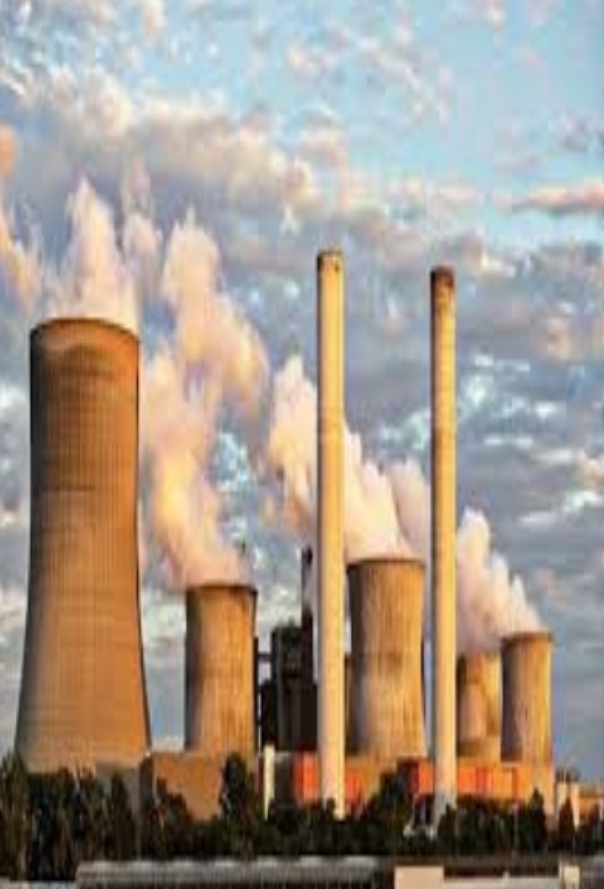
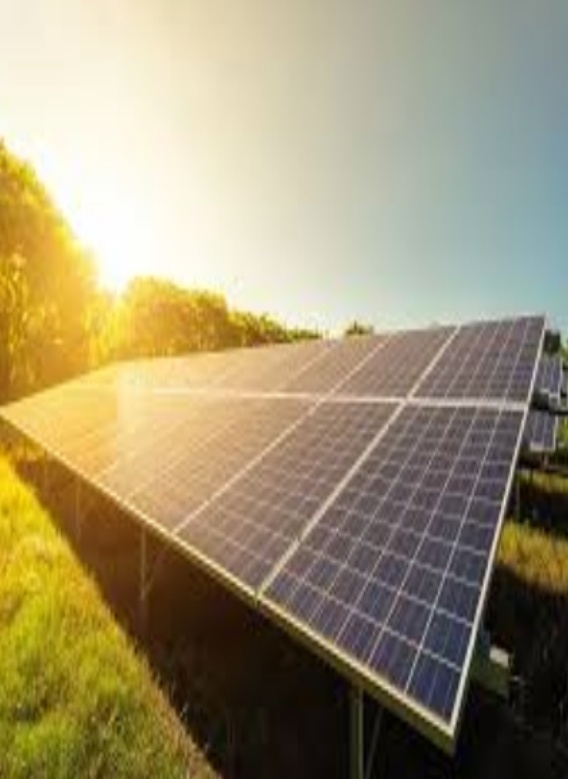
According to generation planning studies, India’s total installed power capacity is projected to reach 1121 GW by 2035-36. This includes 315 GW from coal, 20 GW from gas, 22 GW nuclear, and 77 GW from large hydro projects. On the renewable front, the country is expected to see significant growth with 509 GW solar capacity and 155 GW wind energy, along with 16 GW biomass and 6 GW small hydro.
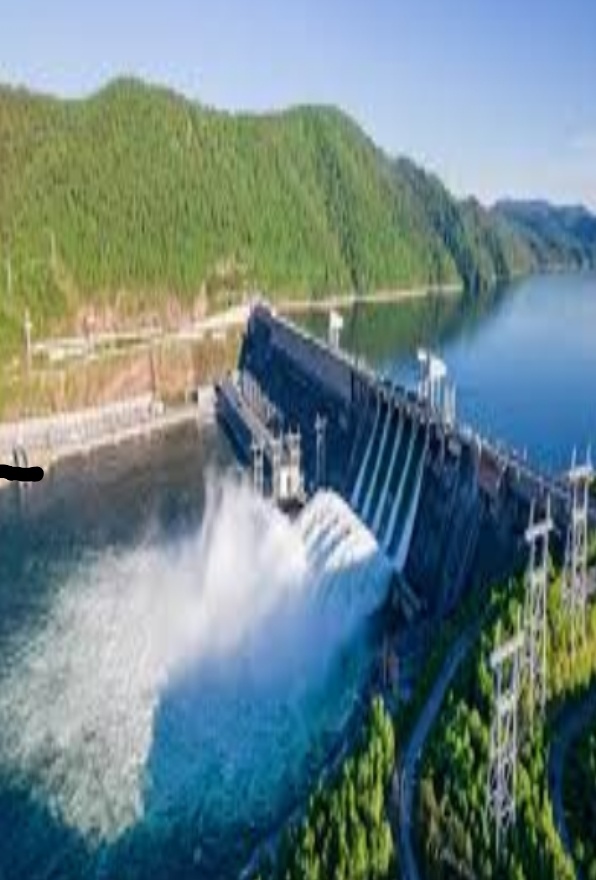
A major focus of the plan is on energy storage infrastructure. The country aims to develop 174 GW / 888 GWh of energy storage capacity, including Battery Energy Storage Systems (BESS) of 80 GW / 321 GWh and Pumped Storage Projects (PSP) of 94 GW / 567 GWh by 2035-36.
Importantly, non-fossil fuel-based capacity is expected to account for 786 GW, which is nearly 70% of the total installed capacity. This reflects India’s strong push towards clean energy and its commitment to reducing carbon emissions while ensuring energy security.
The roadmap discussed at the summit underscores India’s transition towards a more sustainable and diversified energy mix, positioning the country as a global leader in renewable energy expansion.